Year Established
1996
Record (All Time)
276-208-1 (57.0%)
Superbowls
2
Record (Salary Cap Era)
276-208-1 (57.0%)
Winning Seasons (Salary Cap Era)
18 (60.0%)
Playoff Apps (Salary Cap Era)
16 (53.3%)
Point Diff (Salary Cap Era)
+1800

Seasons
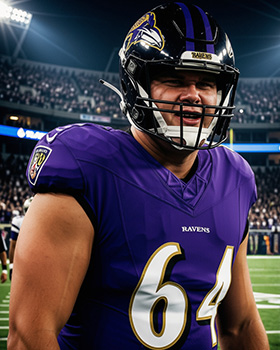
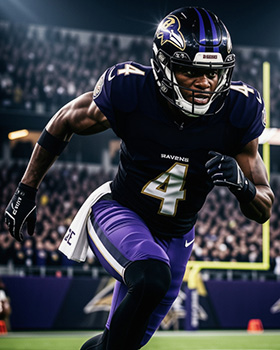
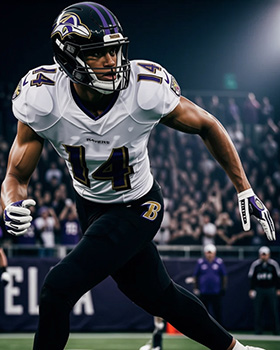
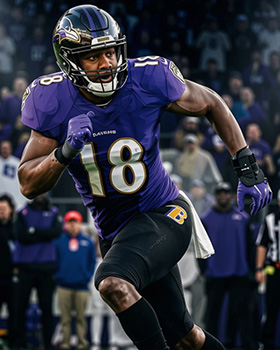
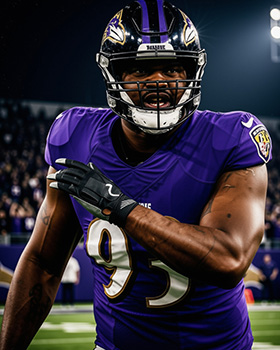
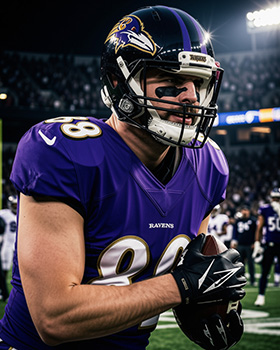
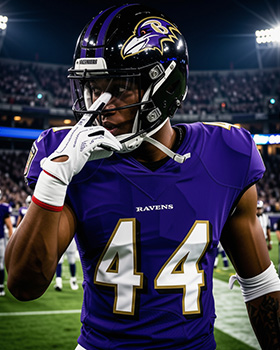
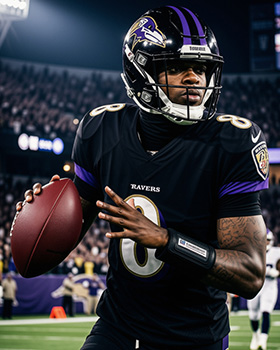
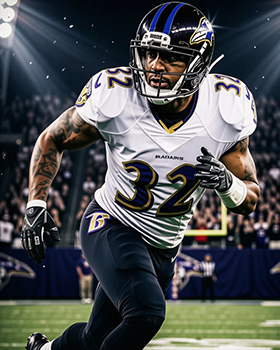
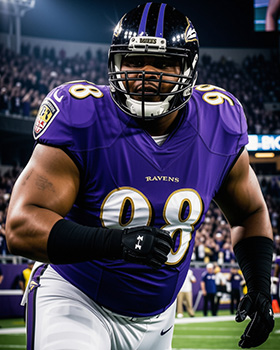
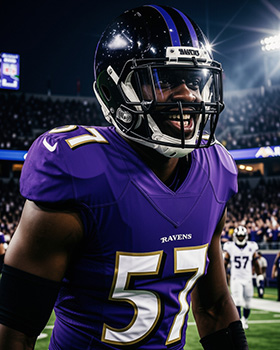
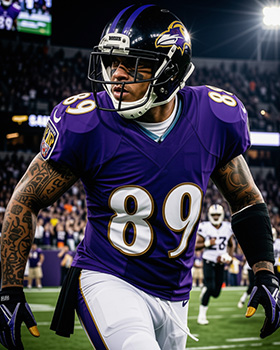
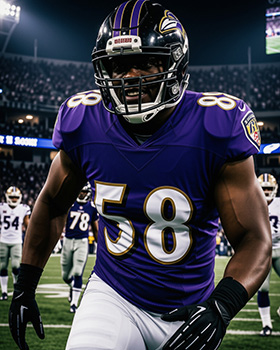
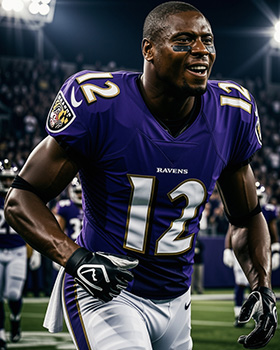
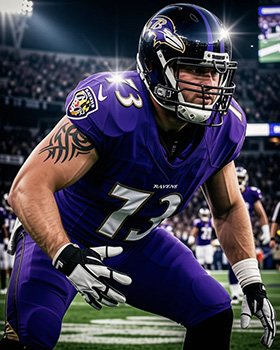
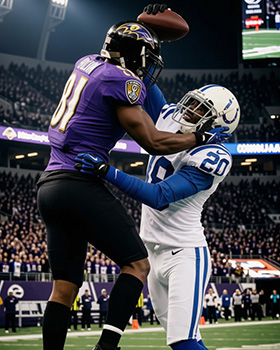
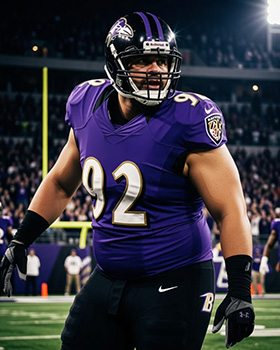
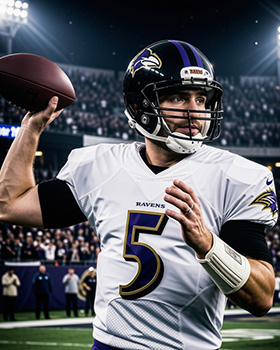
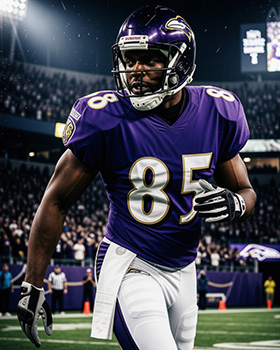
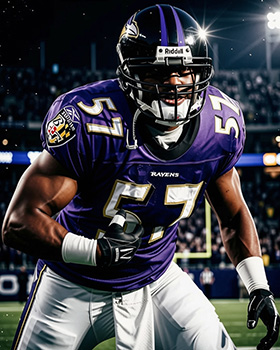
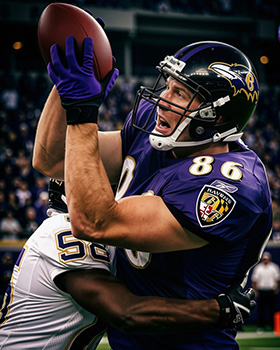
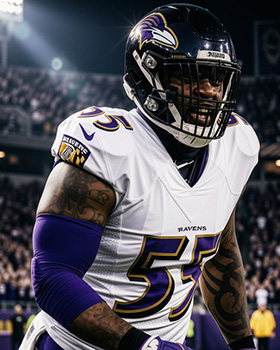
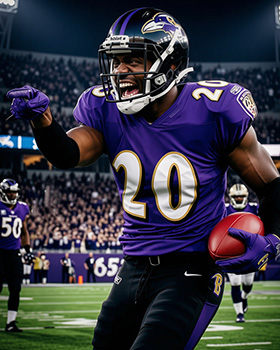
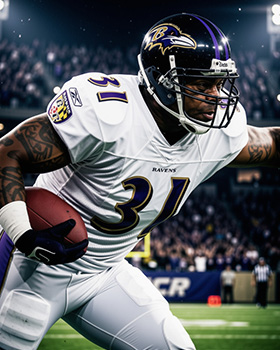
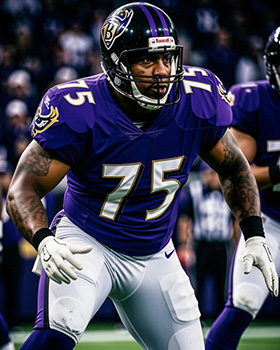
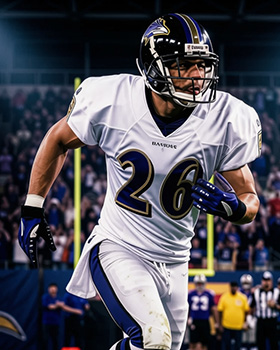
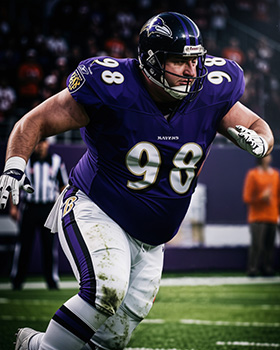
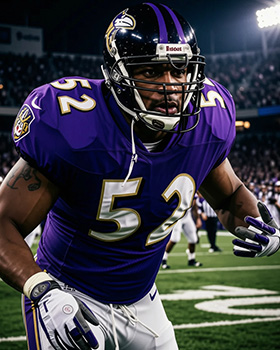
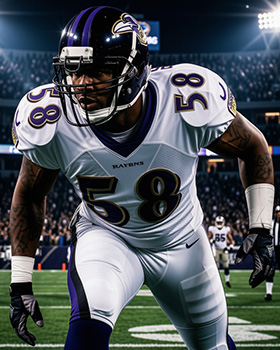
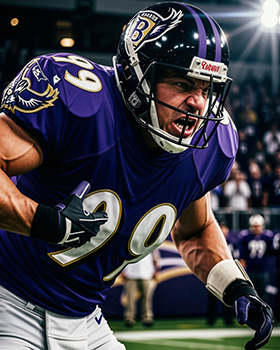
Baltimore Ravens Franchise History
Baltimore did not just build an NFL franchise in 1996; they imported a cold-blooded football philosophy. Born from the ashes of the relocated Cleveland Browns and still healing from the midnight theft of the Colts, the Ravens immediately engineered an identity that mirrored the hard-nosed, blue-collar docks of the Inner Harbor. This is a franchise defined by defensive malice, toughness, and a draft-and-develop theology pioneered by executive legend Ozzie Newsome. From the moment they chose Ray Lewis in their inaugural 1996 draft, they declared that victory in Baltimore would not be pretty - it would be extracted through physical intimidation and a suffocating, violent defense that broke an opponent’s will before the fourth quarter even started.
This uncompromising ethos peaked in two glorious, defensively dominant eras. The 2000 Ravens did not just win Super Bowl XXXV against the New York Giants; they staged a historic, season-long defensive assassination, allowing an NFL-record 165 points in the regular season. Behind the terrifying presence of Lewis, the shutdown coverage of Chris McAlister, and the interior weight of Tony Siragusa, they mastered a brand of defensive dominance that remains the gold standard. Twelve years later, during the 2012 campaign, they recaptured lightning. This second masterclass was an emotional ride fueled by Joe Flacco’s flawless postseason stretch and topped by Lewis and ball-hawk safety Ed Reed lifting another Lombardi Trophy after defeating the San Francisco 49ers in Super Bowl XLVII.
Yet, even the most formidable fortresses require a rebuild. The years following the 2012 championship tested the franchise’s legendary stability. As the central core of Lewis and Reed retired, Baltimore became mired in relative mediocrity, characterized by expensive, stagnant rosters and a repetitive loop of wild-card contention. The front office, eventually transitioning to Eric DeCosta, faced an existential crisis. The old formula of ground-and-pound and heavy defensive investment was failing to match the hyper-offensive direction of the modern league. This struggle forced a radical pivot, pushing the Ravens to move on from Super Bowl hero Flacco and reshape their entire offensive philosophy.
That pivot arrived in the form of Lamar Jackson, who shattered traditional quarterback archetypes and turned Baltimore into the NFL’s most electrifying offensive laboratory. In the modern landscape, the Ravens represent a brilliant synthesis of their historical roots and futuristic design: they still run the football down your throat and play highly physical football, but they do it out of option-heavy packages that terrify defensive coordinators. Under the steady hand of John Harbaugh, the franchise remains one of the league’s gold standards for organizational stability. They do not rebuild; they simply recalibrate, proving that while the faces and schemes may change, the underlying expectation of championship-level excellence in Baltimore never wavers.

Ravens All-Time Stats Leaders
From offensive production to defensive dominance, the Ravens record books are led by players such as Joe Flacco, Jamal Lewis, Mark Andrews, Ray Lewis, Terrell Suggs, and Ed Reed.
Ravens Through the Eras
Trace the Ravens journey and performance from the start of the salary cap era to the modern day, highlighted by the careers of coaches like Harbaugh and Billick.
Ravens Team Wins by Season
Ravens Head Coaching Records
Ravens Performance Trends
Trace the evolution of the Ravens football DNA through scoring trends, offensive and defensive ranks and efficiency and pass-run tendencies across every season from the salary cap era to today.
Ravens Scoring Profile and Points Margins
Ravens Offensive and Defensive Yardage Rankings
Ravens Offensive and Defensive Efficiency
Ravens Offensive Identity
Pass vs Rush Tendency