Year Established
1925
Record (All Time)
728-676-34 (51.8%)
Superbowls
8
Record (Salary Cap Era)
235-280-2 (45.6%)
Winning Seasons (Salary Cap Era)
12 (37.5%)
Playoff Apps (Salary Cap Era)
10 (31.3%)
Point Diff (Salary Cap Era)
-887

Seasons
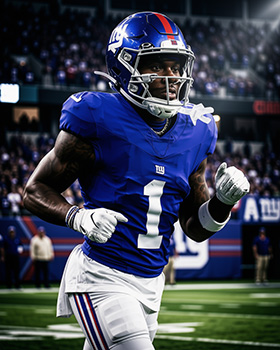
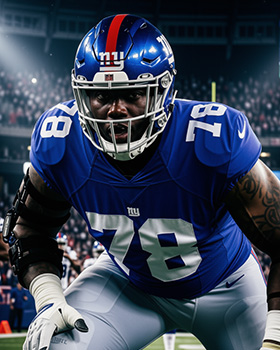
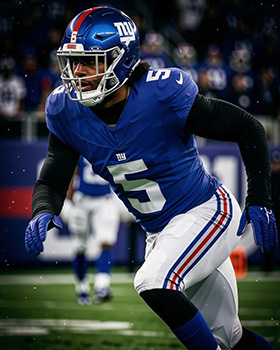
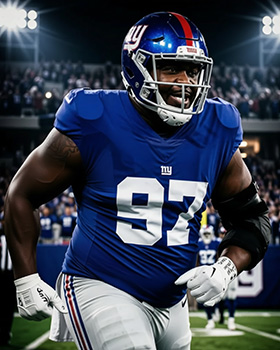
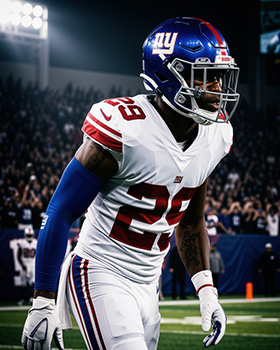
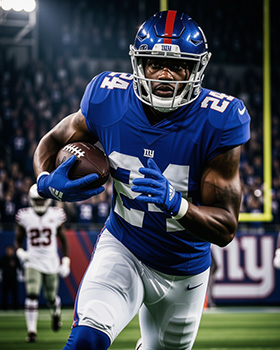
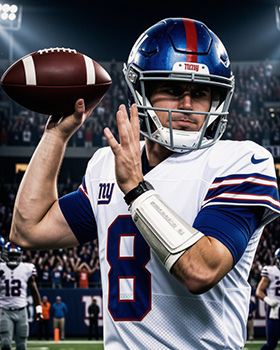
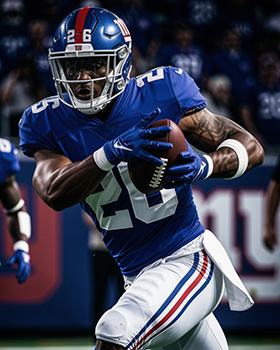
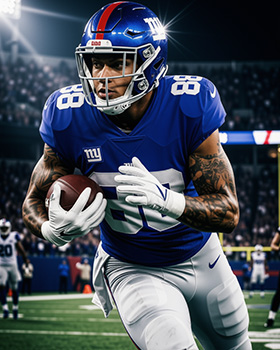
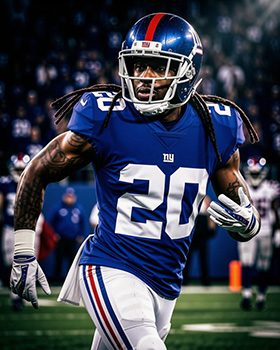
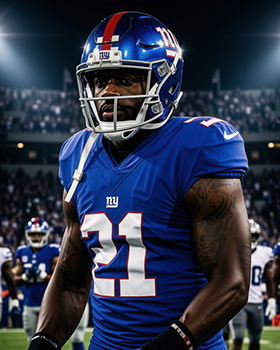
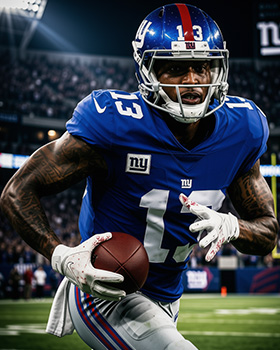
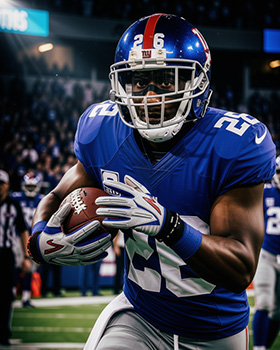
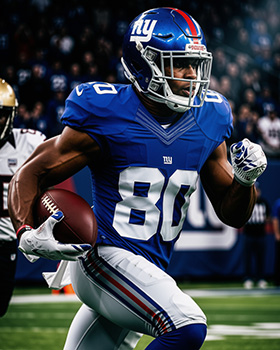
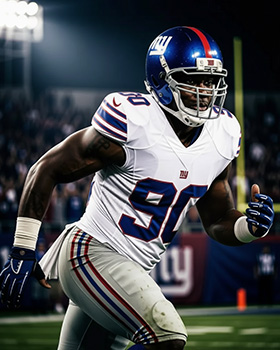
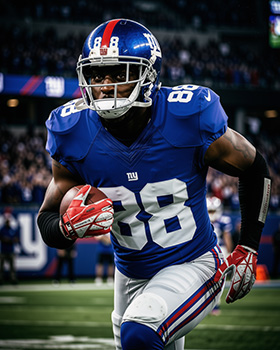
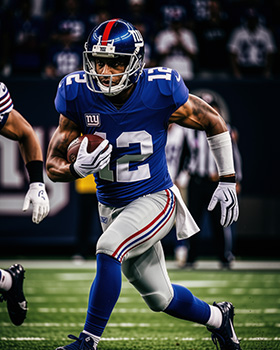
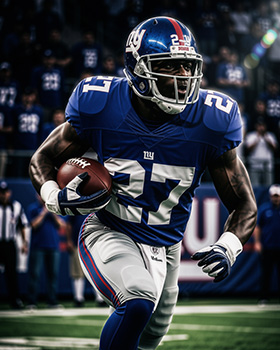
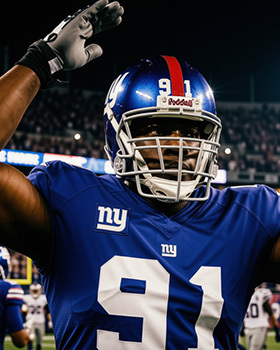
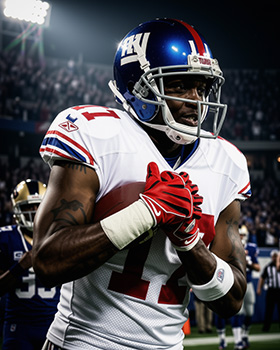
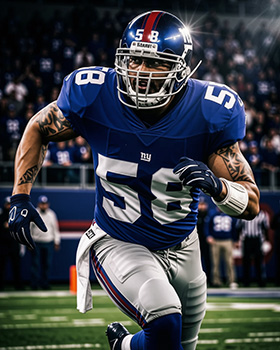
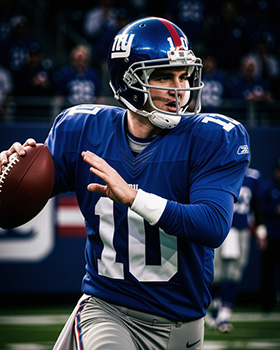
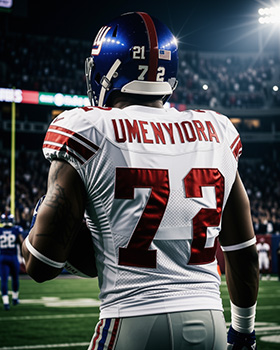
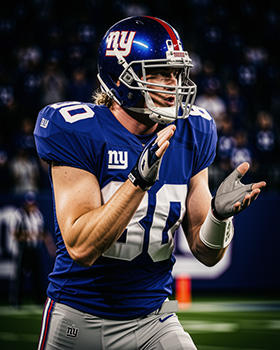
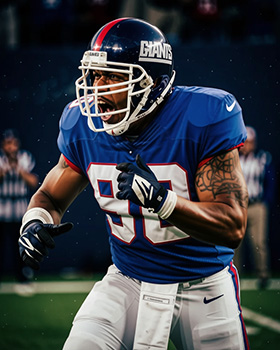
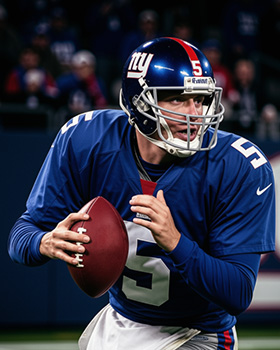
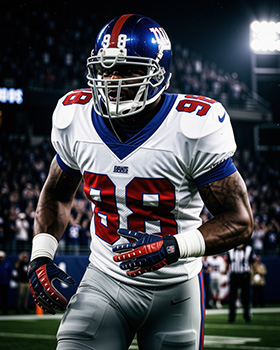
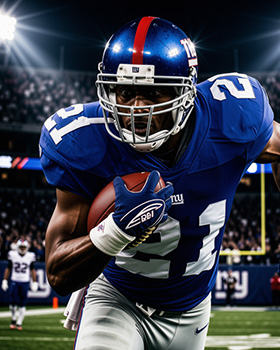
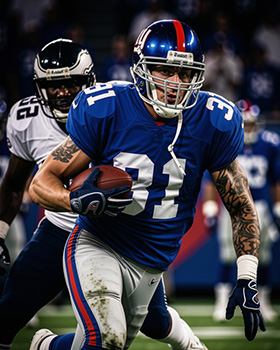
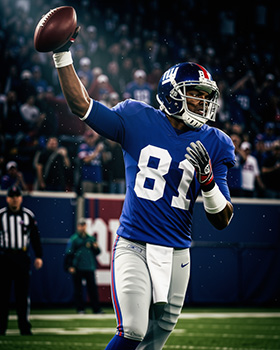
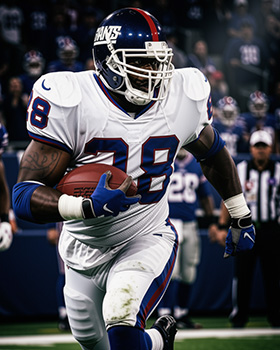
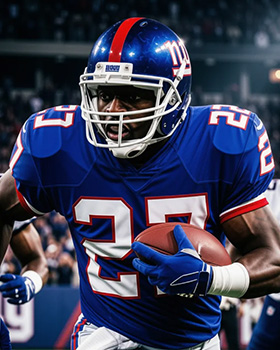
New York Giants Franchise History
The New York Giants are built on a bedrock of cold-weather, blue-collar physicality and corporate metropolitan expectation. Since their founding in 1925 by Tim Mara, the franchise has rejected the allure of flashy, pass-happy trends in favor of a brutal, fundamentalist philosophy: stop the run, control the line of scrimmage, and hit the opposing quarterback until he stops getting up. Operating under the unforgiving glare of the New York media market, the Giants’ DNA demands a specific brand of stoic resilience. They are an organization that does not care about style points, measuring historical success entirely by defensive dominance and an innate ability to comfortably navigate the muddy trenches of late-season football.
This identity reached its absolute peak during the late 1980s and early 1990s under the direction of head coach Bill Parcells. The Giants mastered a suffocating, 3-4 defensive scheme centered around Lawrence Taylor, a generational force who fundamentally altered how NFL offenses designed protection packages. Alongside linebacking peers like Harry Carson, this Big Blue Wrecking Crew crushed opponents, securing championships in Super Bowls XXI and XXV. Two decades later, the franchise replicated this championship blueprint by weaponizing a relentless, four-man pass rush. Anchored by defensive end Michael Strahan, the Giants executed the most audacious postseason upsets in NFL history, twice unseating Tom Brady’s New England Patriots dynasty.
Yet, this unwavering reliance on old-school attrition has occasionally left the franchise stranded in deep valleys. Whenever the Giants lose their edge in the trenches, they tumble into prolonged eras of offensive stagnation. The post-Parcells transition forced fans to endure painful rebuilds, as offenses stagnated behind archaic passing game schematics and unstable quarterback play. Even when the front office drafted talented pieces to rebuild the roster, the team routinely hit an operational ceiling whenever they lacked dynamic leadership and strong trench identity, proving how quickly the Giants’ formula can sour when execution fails to match their historical standard.
In the modern landscape of the NFL, the New York Giants represent the ultimate traditionalist heavyweight attempting to find its footing in a space-and-pace era. While the league pivots toward track-meet offenses, Big Blue remains a cultural monument to old-school football geometry. They stand as a definitive reminder that a franchise rooted in patience and defensive hostility can completely rewrite its trajectory in January, provided they stick to their historic blueprint. Even in a changing game, the Giants remain the standard for blue-collar resilience, always capable of rising from a regular-season slumber to break the hearts of the league’s most polished modern empires.

Giants All-Time Stats Leaders
From offensive production to defensive dominance, the Giants record books are led by players such as Eli Manning, Tiki Barber, Amani Toomer, Michael Strahan, Lawrence Taylor, and Emlen Tunnell.
Giants Through the Eras
Trace the Giants journey and performance from the start of the salary cap era to the modern day, highlighted by the careers of coaches like McAdoo and Coughlin.
Giants Team Wins by Season
Giants Head Coaching Records
Giants Performance Trends
Trace the evolution of the Giants football DNA through scoring trends, offensive and defensive ranks and efficiency and pass-run tendencies across every season from the salary cap era to today.
Giants Scoring Profile and Points Margins
Giants Offensive and Defensive Yardage Rankings
Giants Offensive and Defensive Efficiency
Giants Offensive Identity
Pass vs Rush Tendency